
Part of our guide to moving beyond no-code
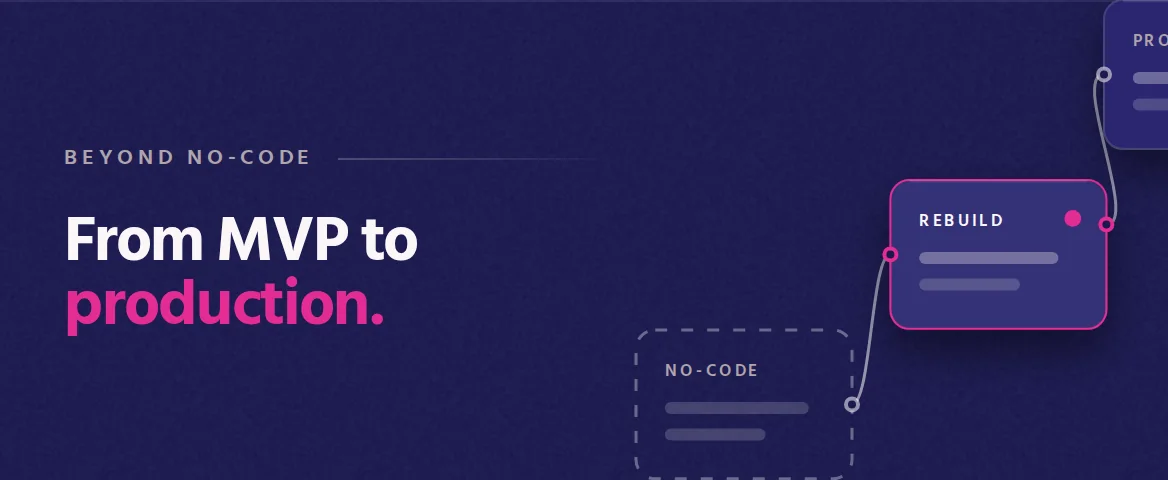
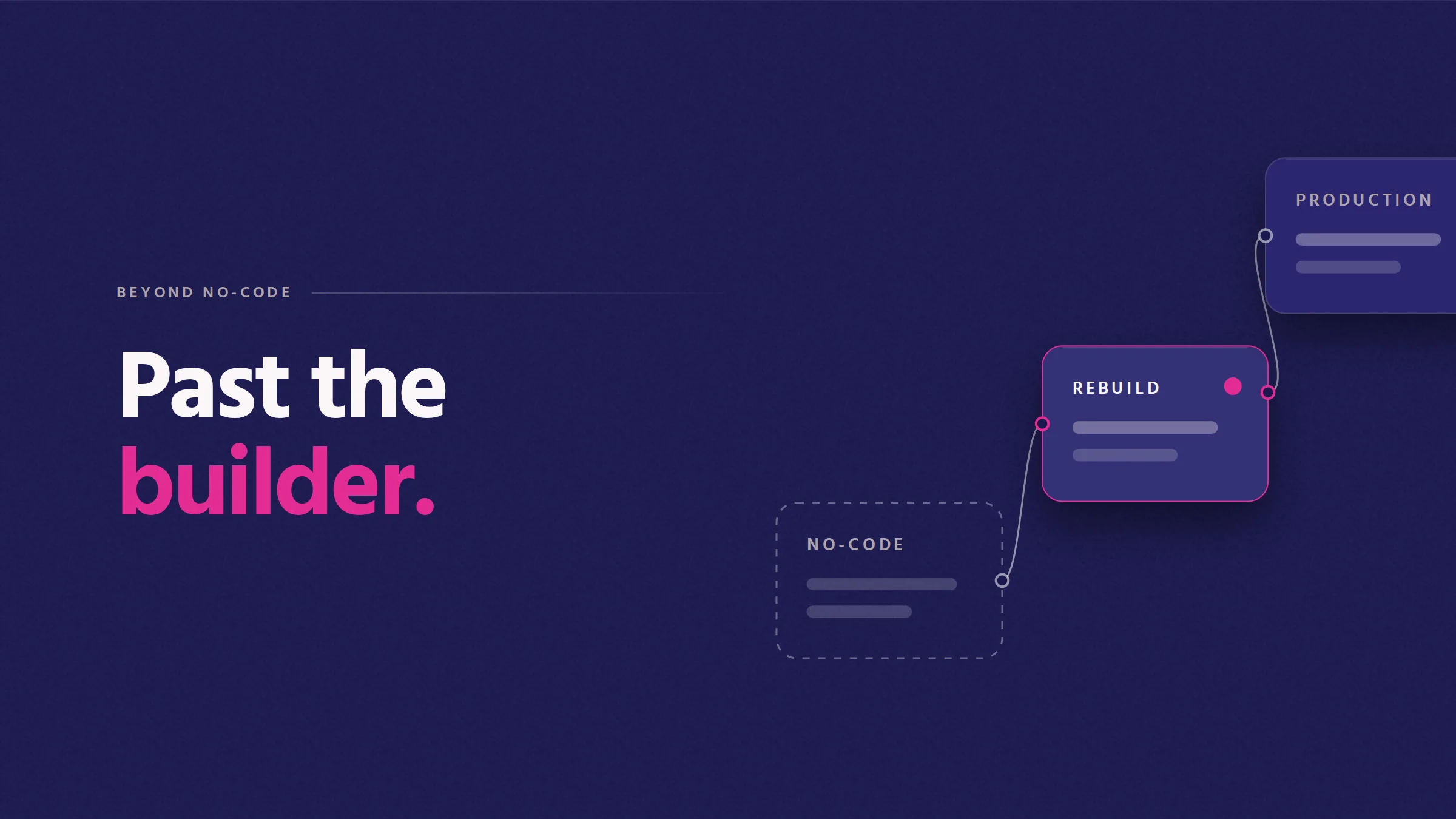
No-code app builders like Bubble, Glide, and Lovable got your MVP up and running fast. But now you’re hitting performance walls, scaling headaches, and architecture dead ends, with no CTO in sight. This is the moment where most founders freeze or burn momentum trying to migrate. Let’s cut through the noise and map out exactly where no-code breaks and how to move beyond it without losing steam.
No-code platforms have their place, but they also have limits. As your product grows, you'll notice them. Let's explore where each tool stumbles and how to move forward.
Bubble is great for getting started, but it has its quirks. You might find it struggles with complex logic and processing tasks. Bubble's load times can slow as user numbers climb. Integrations can be tricky too. If you're hitting these hurdles, it might be time to rethink your approach. Consider custom solutions or modular architecture to handle specific needs. Moving to a more robust platform can help you scale efficiently.
Glide excels in simplicity and speed for small apps. But when you need more, its limitations show. You may struggle with customisation or handling large datasets. This is common as your user base grows. Glide's pricing model can also become expensive with increased usage. If these challenges resonate, think about transitioning to a more flexible framework. This will give you room to grow and incorporate advanced features.
Lovable provides a friendly start, but scaling can be tough. Its ease of use is a double-edged sword when complexity arises. Advanced features may be out of reach. The architecture might not support your growing demands. These are typical pain points. If your app feels boxed in, exploring other options is wise. A custom build could offer the flexibility Lovable can't.
Once you've identified your platform's limitations, planning the migration is crucial. Let's discuss strategies to ensure your transition is smooth and effective.
Technical debt can be a silent killer. It creeps up when shortcuts are taken for speed. In no-code, this often means tangled logic and quick fixes. To avoid it, document your current setup thoroughly. Understand each component's role and limitations. When migrating, aim for clean, modular code. This reduces complexity and future headaches. Staying vigilant helps keep debt manageable.
Scaling requires a solid architecture. No-code tools often lack this robust foundation. Ensure your architecture supports growth. Start with a flexible framework; modular designs adapt better to changing needs. Conduct load testing to identify potential bottlenecks. Planning now saves future frustrations. Having a scalable architecture prepares you for growing user demands.
Performance bottlenecks are common in no-code solutions. They arise from inefficient processing or heavy data loads. Start by profiling your app to locate these slow points. Streamline processes and optimise data handling. Consider offloading intensive tasks to specialised services. Regularly monitor and tweak performance. This proactive approach keeps your app running smoothly.
Moving beyond no-code is a strategic shift. It requires new thinking and tools. Let's explore how to make this transition successfully.
A fractional CTO can close that gap. They provide strategic guidance without a full-time salary. This is ideal for small teams needing tech leadership. They help with migration planning, architecture decisions, and scaling strategies. In Australia, finding a fractional CTO who understands local markets can be invaluable. They bridge the gap between technical needs and business goals, ensuring you're on the right path.
AI offers exciting opportunities for growth. It can enhance user interactions and automate tasks. To get real value from it, start small. Integrate AI where it provides clear benefits, like personalisation or data analysis. This step-by-step approach prevents overwhelm. As confidence grows, expand AI's role in your product. The key is aligning AI with your business objectives.
If this sounds like your product, start with a conversation. You can book a free 30-minute call and we will tell you plainly whether you need a patch, a staged migration or a rebuild.
If you want a proper read of your architecture first, Strategy & Audit is the first paid step. It is fixed in scope, and you come away with a written plan covering cost, timeline and risk.
Can I scale my no-code app without rebuilding?
Scaling within no-code limits is possible, but challenging. It often involves optimising existing features and infrastructure. For significant growth, a partial or complete rebuild may be necessary.
What are common signs my no-code app has hit its limits?
Typical signs include slower performance, integration difficulties, and feature limitations. As user numbers grow, these issues become more apparent, indicating the need for a more scalable solution.
How does a fractional CTO differ from a full-time CTO?
A fractional CTO provides on-demand expertise without the cost of a full-time position. They offer strategic guidance, helping you make informed decisions about technology and development.
What should I consider when integrating AI into my product?
Start by identifying areas where AI can provide clear benefits, such as personalisation or automation. Begin with small integrations to avoid overwhelming your team, and align AI development with your business goals.
Why is planning an exit from no-code important?
Without planning, you risk accumulating technical debt and bottlenecks that hinder growth. A well-thought-out migration strategy ensures a smoother transition to more robust solutions, supporting long-term scalability.
Book a free 30-minute call. We'll talk through what you're working on, what we'd do, and whether we should partner. No pitch deck, no PDF brochure.

Software that holds up under real use.

© 2026 Castle Digital Pty Ltd. All rights reserved.